explainer
Whole30, Explained Honestly: What It Does and What It Doesn't
Whole30 removes added sugar, alcohol, grains, legumes and dairy for 30 days, then reintroduces them. Why people feel better on it, what the evidence can and can't say, and who it suits.
Whole30 is the diet people describe as a reset. For 30 days you remove added sugar, alcohol, grains, legumes and dairy, then reintroduce them one group at a time to see how you react. Plenty of people finish it saying they sleep better, feel less bloated and have lost a few pounds. Those reports are real. The explanation the program gives for them is more debatable.
Here’s what actually changes when you do Whole30, what the evidence can and can’t support, and how to decide whether it’s worth 30 days of your life.
What the program asks you to do
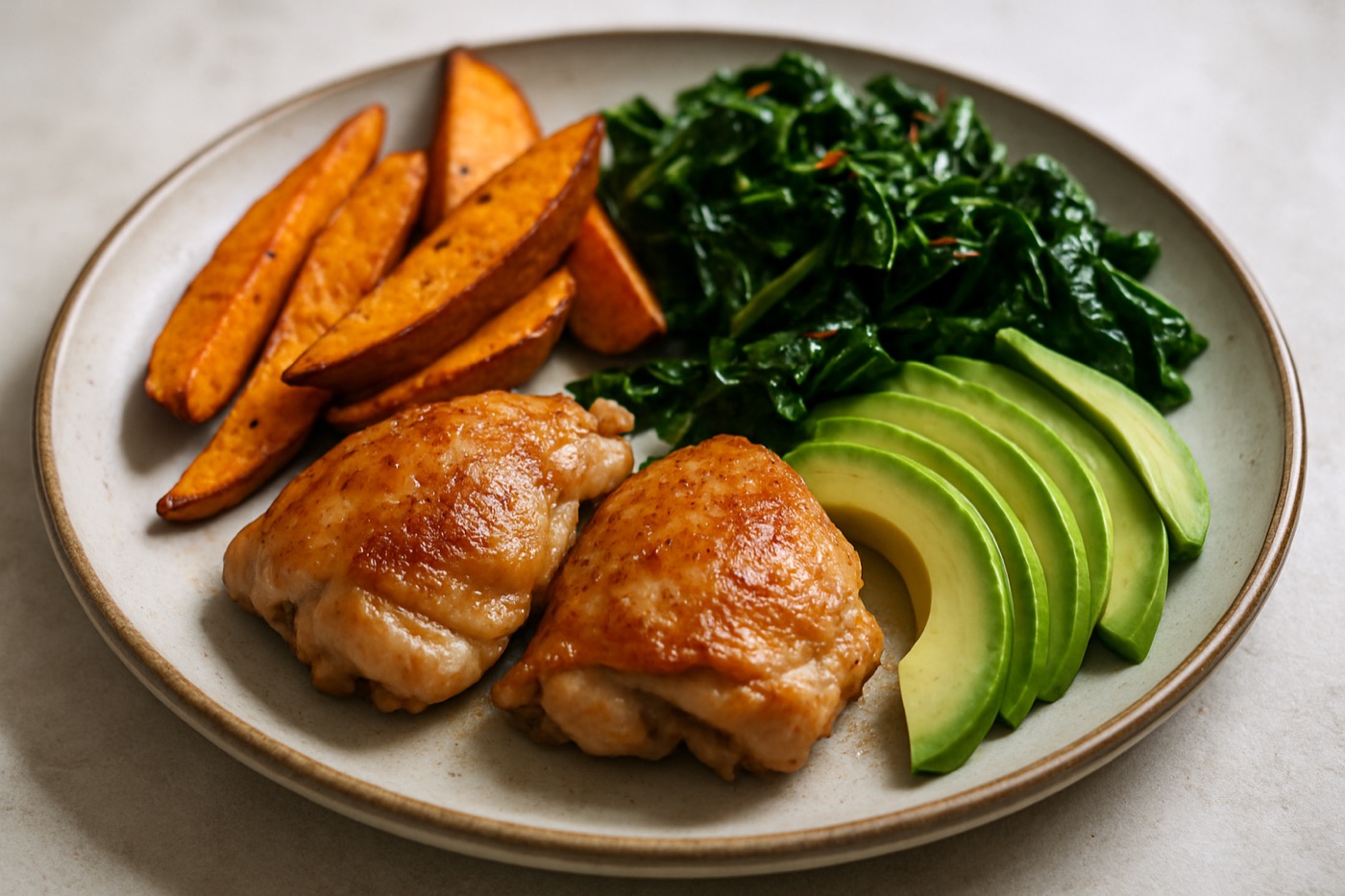
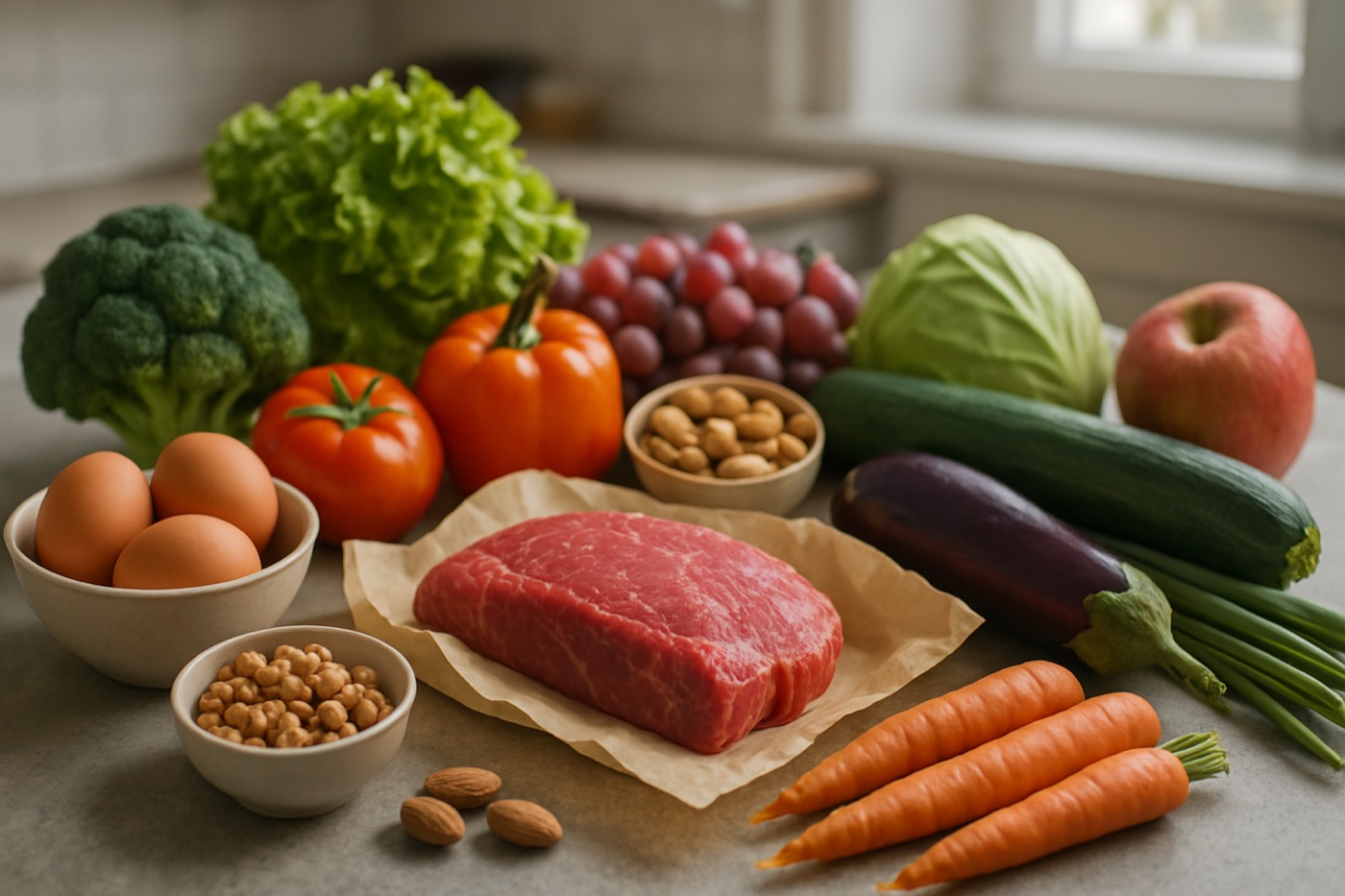
Whole30 was created in 2009 by Melissa Hartwig Urban and Dallas Hartwig. The original rules are strict on purpose. For 30 days you eat meat, seafood, eggs, vegetables, fruit, nuts and seeds, and natural fats. You avoid added sugar and sweeteners, alcohol, grains, most legumes (soy and peanuts included), dairy, and baked goods or treats rebuilt from approved ingredients. There is no calorie counting and no weighing yourself during the 30 days.
The second half of the program — the part most people skip — is reintroduction. You bring back one excluded food group at a time over several days and watch for changes in digestion, energy, skin or sleep.
Why people feel better
Most of the benefits have ordinary explanations:
- Less ultra-processed food. Removing added sugar, alcohol and most packaged foods tends to lower calories and raise fiber, protein and vegetables. That alone improves how many people feel.
- No alcohol. Thirty dry days improve sleep for most regular drinkers.
- Early water loss. Cutting grains and sugar lowers carbohydrate intake, which reduces stored glycogen and the water bound to it. The first few pounds often come off quickly for that reason.
- Paying attention. Any structured plan makes people plan meals, cook more and notice what they eat.
None of that depends on grains, legumes or dairy being harmful. Whole grains, beans and lentils are consistently linked with better health outcomes in large studies.
What the evidence can’t tell you
There is very little controlled research on Whole30 as a program. Most of the supporting evidence is anecdotal, and the people who report back are the ones who finished. That’s why it has consistently ranked near the bottom of U.S. News & World Report’s annual diet rankings, which weigh evidence and long-term sustainability heavily.
The elimination logic is also imprecise. Removing five food groups at once and reintroducing them can show you that dairy makes you bloated, but it can’t tell you why, and food reactions are often dose-dependent. Celiac disease affects about 1% of people and needs a medical diagnosis. Going gluten-free before testing can make that diagnosis harder. If you suspect an allergy or a digestive condition, a clinician-led elimination diet is the better tool.
Who it can suit
Whole30 can be useful if you want a clear break from drinking, sugary snacks or takeout, and you do better with firm rules than with moderation. It can also be a structured way to notice whether a specific food group bothers you, as long as you actually do the reintroduction.
It’s a poor fit if you have a history of disordered eating, since strict rules with a “slip-up means start over” culture can reinforce an all-or-nothing relationship with food. It’s also a poor fit if you’re an endurance athlete in heavy training, because cutting grains and legumes makes carbohydrate targets hard to hit, or if you’re vegetarian, because removing legumes and dairy leaves very few protein sources.
Making the 30 days count
- Plan the first week of meals before you start. Day three is where most people quit.
- Eat enough. Whole30 isn’t designed as a low-calorie diet. Fatigue usually means too little food, especially carbohydrate from potatoes, squash and fruit.
- Do the reintroduction properly. One food group at a time, two or three days apart, and write down what you notice.
- Keep what helped. If you sleep better without alcohol or feel better cooking at home, those are the habits worth keeping. You don’t need to keep the whole rulebook.
The bottom line
Whole30 works mostly by removing alcohol, added sugar and processed food and by making you pay attention for a month. That’s a real benefit, but it isn’t proof that grains, legumes or dairy are the problem. If you try it, treat it as a short experiment with a proper reintroduction, not as a permanent way to eat. For weight loss alone, a sustainable calorie deficit with plenty of protein and plants gets you there without removing five food groups.
FAQ
Does Whole30 work for weight loss?
Many people lose weight during the 30 days, mostly because cutting added sugar, alcohol and processed food lowers calories without counting them, and some early loss is water. There is little controlled research on Whole30 specifically, and results depend on what you eat after it ends.
Is Whole30 a good way to find food sensitivities?
The reintroduction phase can reveal patterns, such as feeling bloated after dairy, but it is a blunt tool. If you suspect a real food allergy, celiac disease or a digestive condition, see a clinician before you cut foods, because removing gluten first can make celiac testing unreliable.
What can you eat on Whole30?
Meat, fish, eggs, vegetables, fruit, nuts and seeds (except peanuts, which are legumes) and fats like olive oil and ghee. Off the menu for 30 days: added sugar of any kind, alcohol, grains, most legumes, dairy and recreations of treats using compliant ingredients.