explainer
Multivitamins: Do You Actually Need One? What the Big Trials Found
Large trials like the Physicians' Health Study II and the Women's Health Initiative found little benefit from daily multivitamins for most healthy adults. Who genuinely benefits from supplements, and how to pick a trustworthy one.
Roughly a third of American adults take a multivitamin, mostly as insurance: in case your diet isn’t perfect, a pill will cover the gaps. It’s a reasonable instinct, and multivitamins are cheap and mostly harmless. But “probably harmless” isn’t the same as “helpful”, and large trials have now tested what a daily multivitamin actually does for healthy people. The answer is less than the label suggests — with some important exceptions.
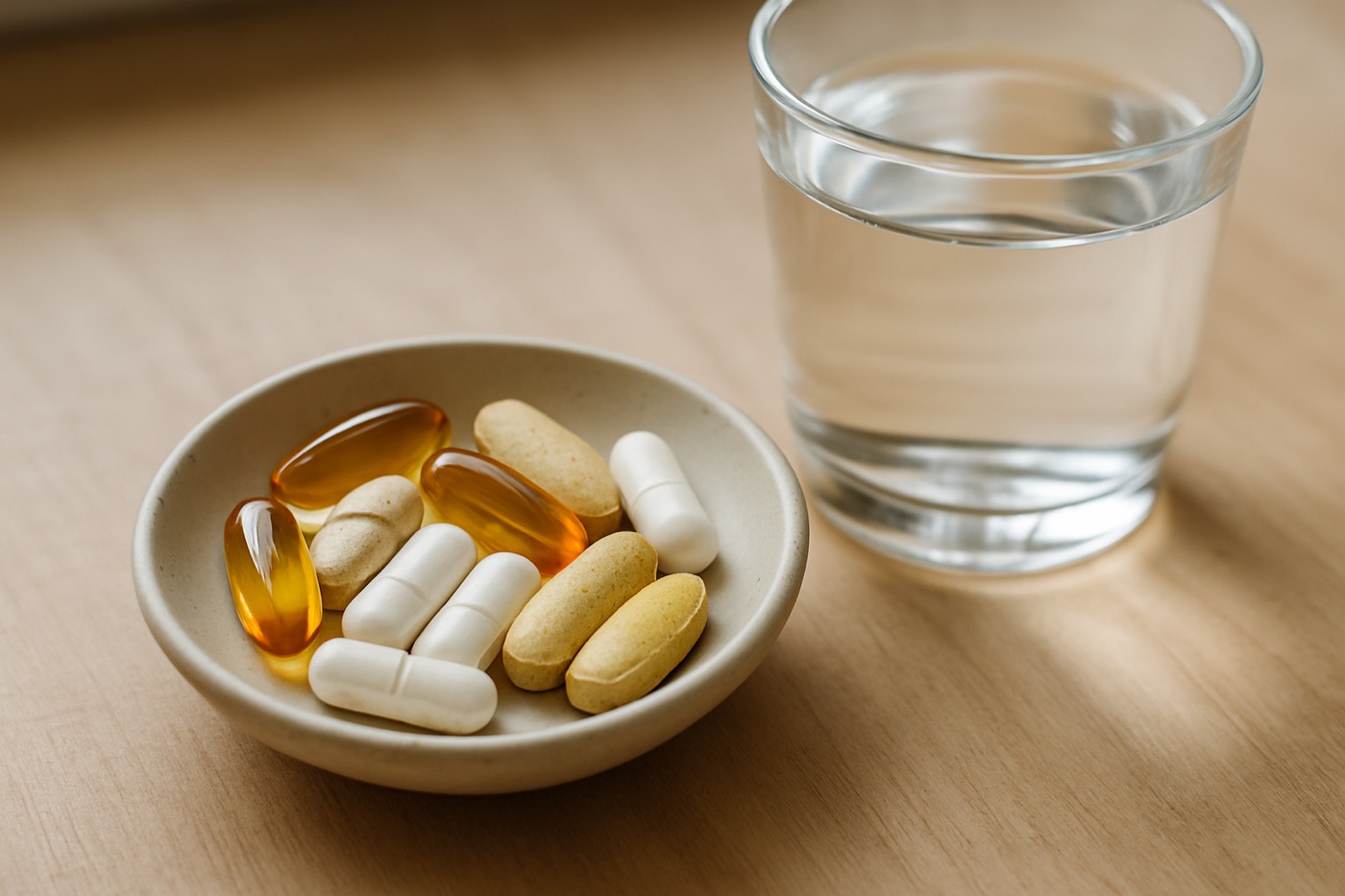
What the large trials found
The Physicians’ Health Study II followed about 14,600 male U.S. physicians for roughly a decade, randomly assigning them to a daily multivitamin or placebo. Published in JAMA in 2012, it found a modest reduction in total cancer incidence — about 8% — but no effect on major cardiovascular events such as heart attack and stroke.
The Women’s Health Initiative cohorts tracked more than 160,000 postmenopausal women. A 2009 analysis in the Archives of Internal Medicine found that multivitamin users had no lower risk of common cancers, cardiovascular disease or death.
In 2022, the U.S. Preventive Services Task Force reviewed the evidence and concluded it was insufficient to recommend multivitamins to prevent cardiovascular disease or cancer in healthy adults. It recommended against beta-carotene and vitamin E supplements for that purpose.
More recently, the COSMOS trials in older adults have hinted at small cognitive benefits from a daily multivitamin. That’s promising, but it’s a narrow finding in one age group, not a general case for everyone.
Why a pill doesn’t replace food
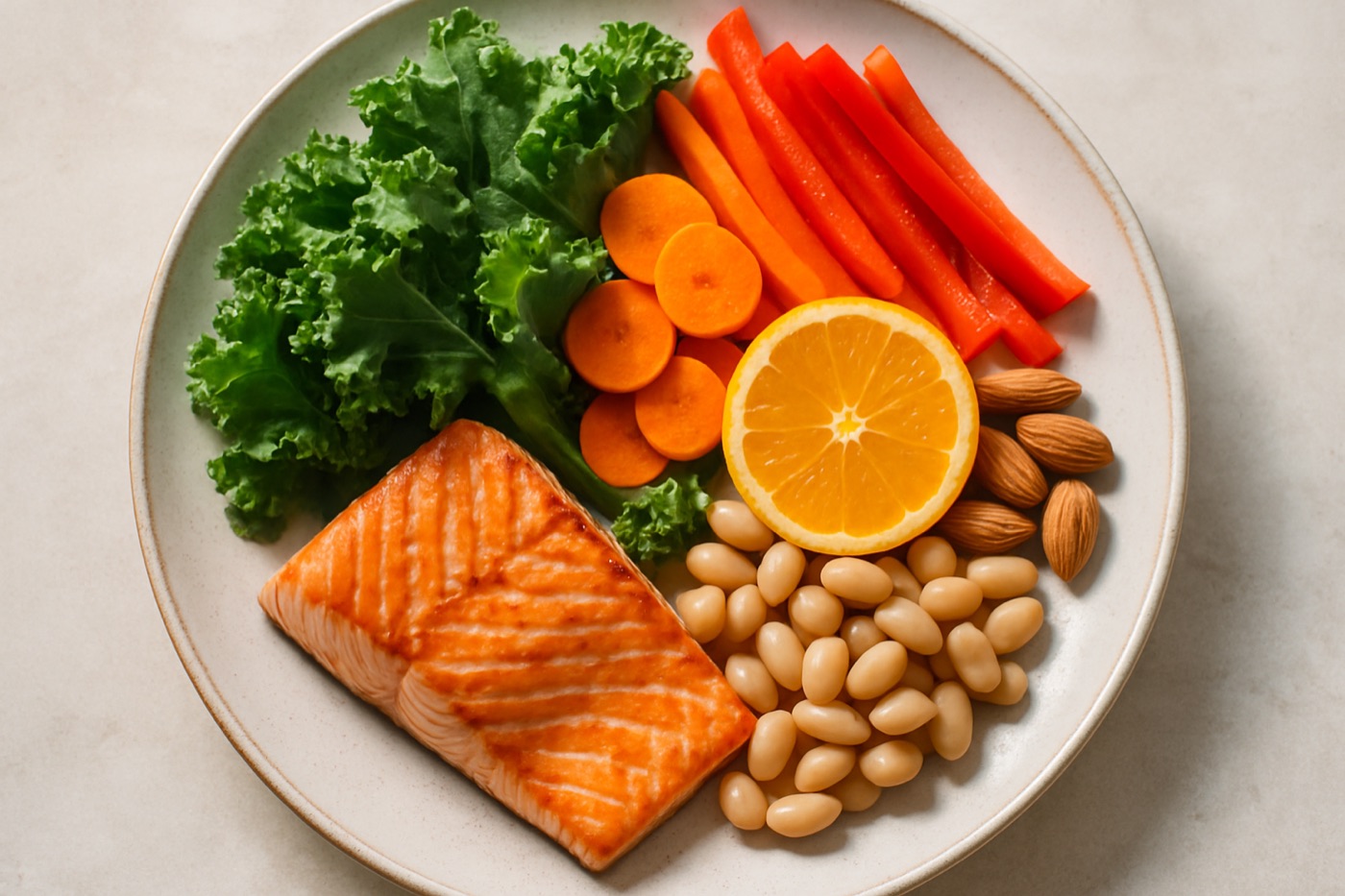
Fruit, vegetables, legumes and whole grains come with fiber, potassium and thousands of plant compounds that a tablet doesn’t contain. Diet quality is consistently linked with better health. Supplement use, on its own, mostly isn’t. A multivitamin can patch a specific shortfall, but it can’t turn a poor diet into a good one.
Who genuinely benefits
This is where supplements earn their place — usually as targeted nutrients rather than a general multivitamin:
- People who could become pregnant: 400 micrograms of folic acid daily, as the CDC recommends, to reduce the risk of neural tube defects.
- Vegans: vitamin B12, which plant foods don’t reliably provide.
- Adults over about 50: B12 absorption from food declines with age, so fortified foods or a supplement help.
- Limited sun exposure or low blood levels: vitamin D, ideally guided by a blood test.
- Diagnosed deficiencies: iron for iron-deficiency anemia, for example — but only after testing, since unnecessary iron can do harm.
- Restrictive diets, bariatric surgery or certain medications: under medical guidance.
How to choose a trustworthy supplement
Dietary supplements aren’t approved by the FDA before they go on sale, so quality varies. Look for a third-party seal such as USP Verified or NSF Certified, which confirm the product contains what the label says and isn’t contaminated. Prefer doses close to 100% of the daily value over “mega-dose” formulas, unless a clinician has told you otherwise. Be wary of proprietary blends and big promises about energy, immunity or “detox”.
If you take one anyway
A basic, third-party-tested multivitamin at standard doses is a low-risk choice if it gives you peace of mind. Just don’t let it replace the parts of your diet that actually move outcomes — vegetables, fruit, legumes, whole grains and enough protein — and tell your doctor what you take, since some supplements interact with medications.
The bottom line
For most healthy adults who eat a reasonably varied diet, a daily multivitamin adds little. For specific groups — pregnancy planning, vegans, older adults, people with limited sun or a diagnosed deficiency — targeted supplements make a real difference. Know which group you’re in, test rather than guess, and spend the rest of your budget on food.
FAQ
Should healthy adults take a multivitamin?
Most don't need one. The U.S. Preventive Services Task Force concluded in 2022 that there isn't enough evidence that multivitamins prevent heart disease or cancer in healthy adults. A varied diet covers most needs. Specific nutrients for specific groups are a different matter.
Who benefits from supplements?
People who may become pregnant (folic acid), vegans and many older adults (vitamin B12), people with little sun exposure or low blood levels (vitamin D), and people diagnosed with a deficiency such as iron-deficiency anemia. Targeted supplements beat a general multivitamin in these cases.
Can multivitamins be harmful?
A standard multivitamin at normal doses is generally safe. Problems come from high-dose single nutrients — for example, beta-carotene supplements increased lung cancer risk in smokers in trials — and from unnecessary iron in people who don't need it. Check with a clinician before taking high doses.