explainer
Best Protein Shakes in 2026: How to Pick One That's Actually Worth It
Whey concentrate, isolate, plant blends and ready-to-drink bottles compared on what the label really tells you — protein per serving, third-party testing, sweeteners and cost per gram — plus the well-known options that tend to come up.
Protein shakes are one of the few supplements with a clear, boring job: getting a known amount of protein into you quickly. That makes them easy to compare — but only if you ignore the front of the tub and read the back. The marketing on this aisle is loud, the claims are interchangeable, and the differences that matter sit in four places: the type of protein, how much of it a serving really delivers, whether anyone outside the company has checked, and what each gram costs you.
This is the framework I use to choose one, along with the well-known options that keep coming up and where each one fits. I’m not a dietitian, and I haven’t sent anything to a lab. What follows comes from the labels, the certification databases and the research on protein itself.
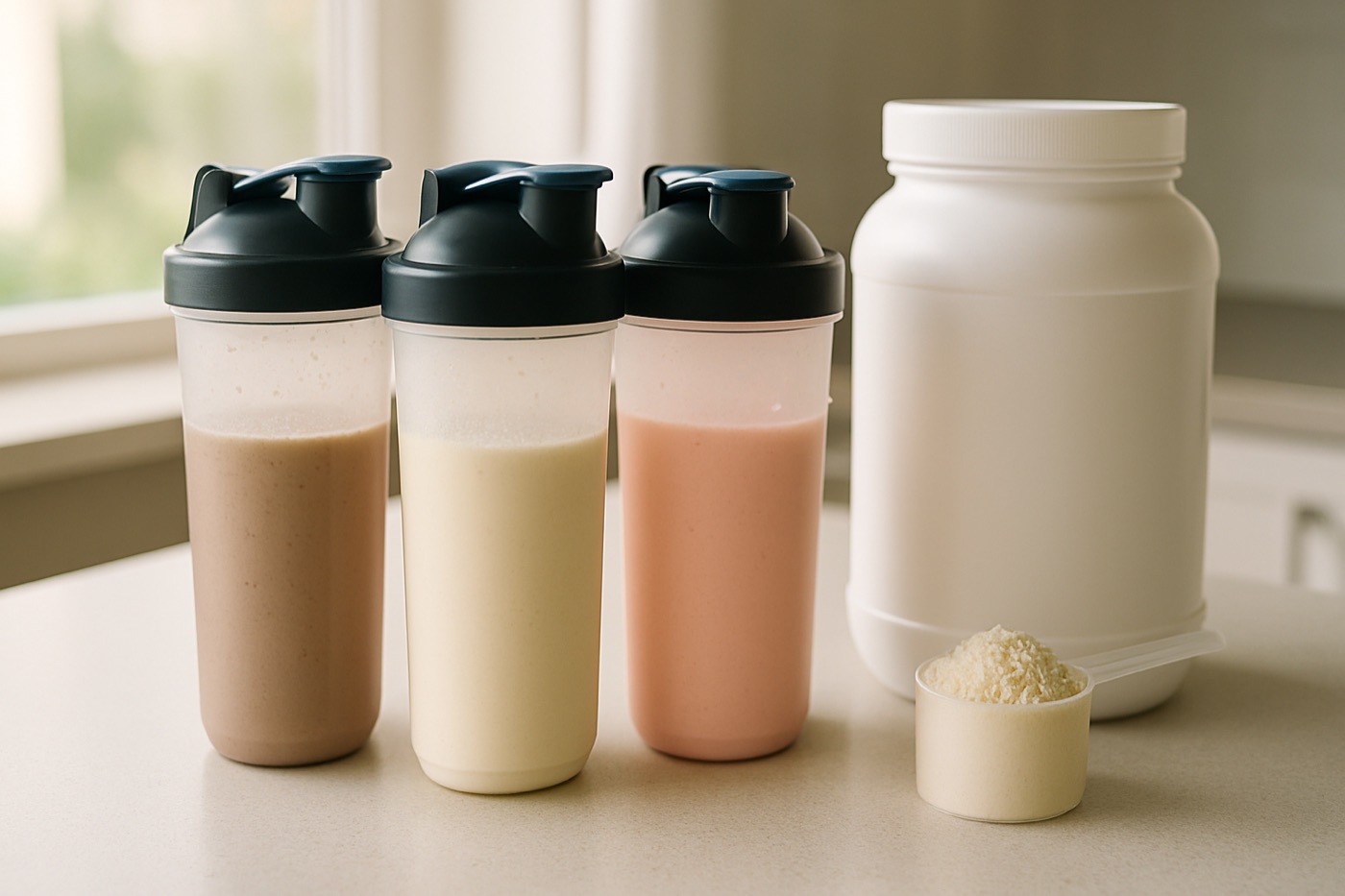
Start with the type of protein
Whey concentrate is the default for a reason. It is dairy-based, digests quickly, mixes easily and is usually the cheapest protein per gram. Depending on the product it is roughly 70–80% protein by weight, with some lactose and fat left in.
Whey isolate goes through extra filtering to reach at least 90% protein. That removes most of the lactose, which matters if dairy upsets your stomach, and trims a few calories per scoop. It costs more and tends to taste thinner. For muscle building and recovery, the research does not show a meaningful advantage over concentrate when protein per serving is matched.
Casein digests slowly and thickens like a pudding. It is popular before bed, where a slow release is the point.
Plant blends — usually pea combined with rice, sometimes with soy, hemp or pumpkin — have improved a lot in texture. Pea and rice complement each other’s amino acids, so a blend is a complete protein. Expect a slightly earthier taste and a little more grit than whey.
Read the protein per serving, not the protein per tub
The number that matters is grams of protein per scoop relative to the scoop size and the calories. A good whey product lands around 24–25 grams of protein in a scoop of roughly 30 grams, for about 110–130 calories. If a 30-gram scoop delivers only 18–20 grams of protein, the rest is carbohydrate, fat, flavoring or filler.
Watch for one specific trick: amino acid spiking. Protein content is often estimated from nitrogen, so adding cheap free amino acids such as glycine or taurine can inflate the protein figure on the label without adding complete protein. If you see individual amino acids listed separately in the ingredients — rather than in an amino acid profile table — ask why they are there.
Look for third-party testing
Supplements are not approved by the FDA before they go on sale, so the label is the manufacturer’s word. Independent certification programs such as NSF Certified for Sport and Informed Sport test batches for banned substances and check that the product matches its label. Both have searchable databases. If you compete in a tested sport, certification is close to mandatory. If you don’t, it is still the simplest proxy for a company that takes quality seriously.
Heavy metals deserve a mention too. Independent testing by groups such as Consumer Reports and the Clean Label Project has repeatedly found measurable lead in some protein powders, more often in plant-based ones because plants absorb metals from soil. That is not a reason to avoid plant protein. It is a reason to favor brands that publish their testing.
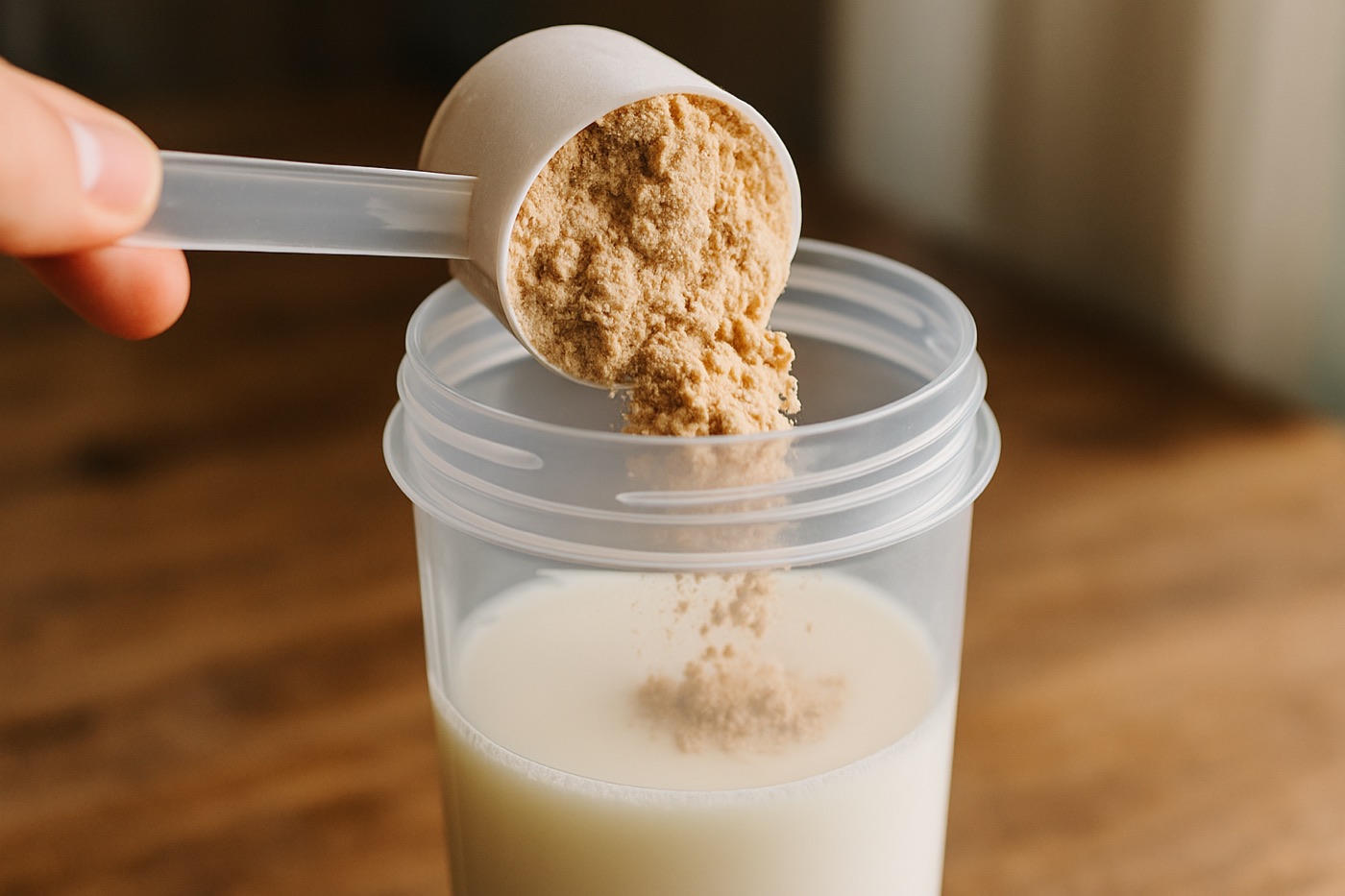
The well-known options and where they fit
These are the names that come up most often in gyms and on store shelves. The figures are from their own labels and can change with flavor and reformulation, so check the tub in front of you.
| Product | Type | Protein per serving (label) | Where it fits |
|---|---|---|---|
| Optimum Nutrition Gold Standard 100% Whey | Whey blend | ~24g per scoop | The dependable default; wide flavor range, easy to find |
| Isopure Zero Carb | Whey isolate | ~25g per scoop | Lactose-sensitive or carb-counting users |
| Orgain Organic Protein | Plant blend | ~21g per two scoops | Dairy-free, organic certification |
| Fairlife Core Power | Ready-to-drink milk shake | 26g or 42g per bottle | Grab-and-go after training |
| Premier Protein | Ready-to-drink shake | ~30g per bottle | Cheap per bottle, high protein, thinner texture |
None of these is “the best” in the abstract. Gold Standard is the reference point most people compare against. Isolates make sense when lactose is the problem. Plant blends make sense when dairy is off the table. Ready-to-drink bottles make sense when convenience is worth paying for.
Sweeteners, texture and the stomach test
Most flavored powders use sucralose, acesulfame potassium or stevia, sometimes with sugar alcohols. These are safe in normal amounts, but sugar alcohols in particular can cause bloating in some people. If a shake leaves you uncomfortable, the sweetener is a likelier culprit than the protein. Try an unflavored or naturally sweetened version before you give up on shakes altogether.
Texture comes down to how you mix it. Powder clumps less when the liquid goes in first. Milk makes almost any powder taste better than water does, at the cost of about 80–150 extra calories per cup depending on the milk.
Cost per gram is the real comparison
Price per tub is misleading because tub sizes and scoop sizes vary. Divide the price by the total grams of protein in the container, which is servings multiplied by grams per serving. Bulk whey is almost always the cheapest protein per gram. Ready-to-drink bottles usually cost two to three times as much per gram, because you are paying for the bottle, the shelf space and the convenience. That is often worth it after a workout, but it is an expensive way to cover a daily protein gap.
How I’d choose
- Most people: a third-party-tested whey concentrate or blend, in a flavor you will actually finish.
- Lactose trouble: a whey isolate, or a plant blend if isolate is still too much.
- Dairy-free or vegan: a pea-and-rice blend from a brand that publishes heavy-metal testing.
- Always on the move: keep a few ready-to-drink bottles for the days you cannot mix anything, and use powder the rest of the time.
The bottom line
The best protein shake is the one that delivers a real 20–25 grams per serving, has been checked by someone other than the seller, sits well with your stomach and costs a sensible amount per gram. Everything on the front of the tub — “anabolic”, “clinically dosed”, “lean” — is decoration. Read the back, pick one that clears those four bars, and spend the rest of your attention on food.
FAQ
Is whey isolate better than whey concentrate?
Not for most people. Isolate is filtered to at least 90% protein, so it carries less lactose, fat and carbohydrate per scoop — useful if dairy bothers you or you are counting every gram. Concentrate is cheaper, usually tastes creamier, and the protein it delivers does the same job.
Do I need a protein shake at all?
No. A shake is a convenient way to reach a daily protein target, not a requirement. If you already hit your protein from food, a shake adds cost without adding much. It earns its place when mornings are rushed, appetite is low, or you train and cannot eat a meal soon after.
How do I know a powder contains what the label says?
Look for a third-party certification such as NSF Certified for Sport or Informed Sport, which test batches for banned substances and label accuracy. Also check the ingredient list for added free amino acids like glycine or taurine, which some brands have used to inflate the protein number.